Professional Water Damage Mitigation NC: Top Providers
Table of Contents
What Professional Water Damage Mitigation in NC Involves
Emergency Response and Water Extraction
Structural Drying and Dehumidification
Top Professional Water Damage Mitigation Providers in NC
Rapid Refurb: Full-Service Mitigation and Claim Support
PHC Restoration: 24/7 Emergency Response
RestorePro Reconstruction: Mitigation Plus Rebuild
Other Notable Providers: EMERG, Premier, Lightspeed, and Mason Dixon
What to Do While You Wait for a Crew
How the Water Damage Insurance Claim Process Works
The Documentation Checklist Most Homeowners Never Get
Common Reasons a Claim Gets Reduced
What to Ask Your Adjuster
What to Expect from a Water Damage Mitigation Cost Estimate
Why IICRC Certified Restoration Companies Matter
DIY vs. Professional Mitigation: When to Call a Pro
Frequently Asked Questions
Last Updated: September 23, 2026
What Professional Water Damage Mitigation in NC Involves
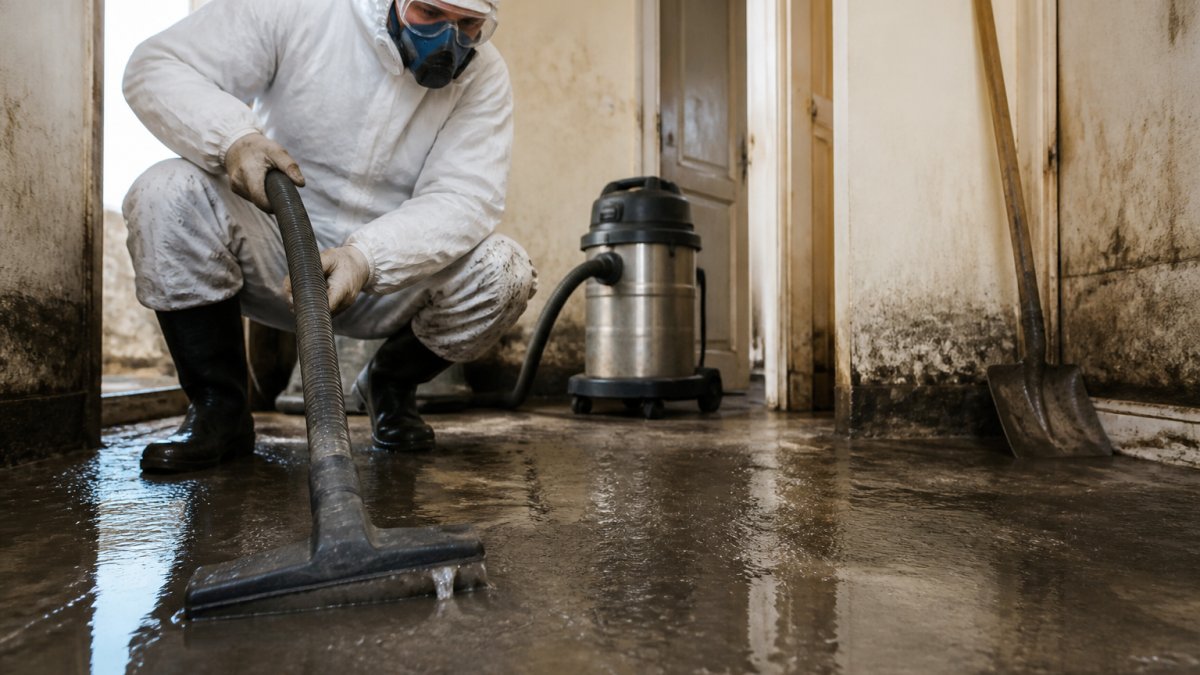
Professional water damage mitigation stops active water intrusion, extracts standing water, and dries a structure before mold and rot set in. At Rapid Refurb, we handle this work for homeowners across North Carolina, and the sequence rarely changes: respond fast, extract, dry, then document everything for the insurer.
Emergency Response and Water Extraction
Emergency mitigation starts with shutting off the water source and mapping how far it traveled. Technicians use thermal imaging and moisture meters to trace water behind baseboards and under flooring.
Structural Drying and Dehumidification
Structural drying uses air movers and dehumidifiers to pull moisture out of building materials over several days. Technicians track progress with a hygrometer and adjust equipment placement daily.
A typical drying setup includes:
Air movers positioned along walls to create airflow across wet surfaces
Commercial dehumidifiers to remove moisture from the air
Air scrubbers to capture dust and airborne particles
Daily moisture mapping to confirm readings are dropping
Watch Out Turning off drying equipment early to save on the bill is the most common mistake homeowners make. Trapped moisture behind drywall can lead to mold growth within days, and that remediation often costs more than the drying would have.
Top Professional Water Damage Mitigation Providers in NC
Choosing a mitigation provider is not the same as hiring a remodel contractor. You need a company that arrives fast, dries to a measurable standard, and produces documentation an adjuster will accept. Those three requirements should drive the shortlist.

IICRC certification, confirms the crew follows recognized drying standards rather than guessing at equipment placement
24/7 live answer, a voicemail box at 2 a.m. is the same as no service
Direct insurance billing or adjuster communication, reduces the chance you become the messenger between two parties
Licensed and insured in the state, protects you if a worker is injured on your property
Written scope before work begins, itemized extraction, drying, monitoring, and demolition line items
Moisture documentation included, daily readings, photos, and drying logs handed to you and your insurer
Rapid Refurb: Full-Service Mitigation and Claim Support
Rapid Refurb is a strong choice for homeowners who want the insurance fight handled for them. The team manages the entire claim process, communicating directly with adjusters so repairs get approved without the homeowner chasing paperwork.
Best For Homeowners who want one licensed, insured team to handle mitigation, insurance communication, and the rebuild, rather than coordinating three separate contractors.
PHC Restoration: 24/7 Emergency Response
PHC Restoration offers round-the-clock emergency response with water extraction, structural drying, and full repair capabilities. It's a solid choice when a pipe bursts at 2 a.m. The tradeoff: pricing isn't published, so expect a site assessment before you get numbers, and confirm in writing whether drying equipment and monitoring visits are billed separately or bundled.
RestorePro Reconstruction: Mitigation Plus Rebuild
RestorePro Reconstruction serves the Raleigh-Durham area and handles residential and commercial cleanup. It covers cleanup and reconstruction in one contract, reducing handoff delays. Quotes require direct contact, so ask whether the estimate includes demolition of wet materials or treats it as a change order later.
Other Notable Providers: EMERG, Premier, Lightspeed, and Mason Dixon
EMERG focuses narrowly on emergency water removal: fast, but limited on full reconstruction. Best when you already have a rebuild contractor lined up.
Premier Water Damage runs 24/7 and adds leak detection plus mold and fire restoration. Useful when the water source is still unknown.
Lightspeed Restoration emphasizes quick response for water and mold issues, primarily around Raleigh. Confirm coverage area before assuming they'll travel to you.
Mason Dixon Restoration is known for technical mitigation expertise and rapid turnaround. Ask for the drying log format up front if your claim is large.
Pro Tip Whoever you call, ask two questions before they dispatch: "Will you send daily moisture readings to my adjuster?" and "Is the drying equipment rental included in the estimate or billed per day?" The answers separate a documentation-first company from one that just moves water.
What to Do While You Wait for a Crew
If the earliest arrival window is more than an hour out, limit damage without voiding your claim:
Shut off the water at the main valve if the source is a supply line
Kill power to affected rooms at the breaker only if it is safe to reach the panel dry
Move furniture and rugs off wet carpet to prevent dye transfer and rust stains
Do not pull up carpet, cut drywall, or run a shop vac on Category 3 water, that work belongs to the mitigation crew and can complicate documentation
How the Water Damage Insurance Claim Process Works
The water damage insurance claim process starts with documentation, not repair. Before anything gets torn out, photograph the damage, list affected belongings, and keep every receipt for emergency expenses.
Here's the sequence most claims follow:
Stage | What Happens | Who Handles It |
1. Report | File the claim with your insurer | Homeowner |
2. Inspection | Adjuster assesses damage and scope | Adjuster |
3. Documentation | Moisture readings, photos, itemized scope | Mitigation company |
4. Approval | Insurer approves or disputes the scope | Adjuster and homeowner |
5. Repair | Work begins per approved scope | Contractor |
The Documentation Checklist Most Homeowners Never Get
Build this file yourself, in parallel with whatever your mitigation company produces, so you are never dependent on a single source if the claim gets questioned.
Before any work begins:
Date-stamped photos of every affected room from multiple angles, including wide shots showing the water line
A short video walking the space and narrating what you see
Photos of the water source (burst fitting, failed supply line, appliance hose)
A written list of damaged personal property with approximate purchase dates
Receipts for emergency purchases: fans, dehumidifiers, hotel nights, meals during displacement
During mitigation:
The mitigation company's written scope of work, signed before equipment is set
Daily moisture meter readings with date and room noted
Photos of the drying equipment setup, including air movers and dehumidifiers
The drying log showing when readings reached dry standard
Demolition photos showing what was behind the wall or under the floor
After mitigation:
The final drying report with moisture content values
Invoices for every stage, itemized by service
A copy of every email or text between the mitigation company and the adjuster
Pro Tip Ask your mitigation company to photograph the moisture meter readings on day one and every day after. If the insurer later questions whether drying was necessary, those dated readings settle the argument.
Common Reasons a Claim Gets Reduced
Even a legitimate claim can come back smaller than expected. The usual causes:
No baseline reading. Without a day-one moisture number, the adjuster can't confirm how wet the structure was.
DIY work before documentation. If you pulled up flooring or ran your own equipment before photos were taken, the insurer may treat the damage as pre-existing or self-inflicted.
Missed filing window. Most policies require prompt notice of loss. Waiting weeks gives the insurer grounds to question causation.
Scope mismatch. The mitigation scope and rebuild scope describe different damage. This is the most common dispute, and why having one company handle both reduces friction.
Category misclassification. Treating a Category 3 loss as Category 1 changes the required cleanup and covered cost.
Watch Out Do not sign a repair contract before the adjuster has seen the damage, unless the mitigation company is performing emergency work to prevent further loss. Emergency mitigation is typically covered; permanent repairs approved before inspection may not be.
What to Ask Your Adjuster
A few questions at the inspection stage prevent most disputes later:
Is the drying equipment covered as part of the mitigation, or is it a separate line item?
What documentation do you need from the mitigation company to approve the scope?
Is there a coverage cap for mold remediation if secondary damage is found?
Does the policy cover temporary housing during drying, and for how many days?
Who do I contact if the approved scope does not match the mitigation company's findings?
What to Expect from a Water Damage Mitigation Cost Estimate
A water damage mitigation cost estimate should itemize extraction, drying equipment, monitoring visits, and any demolition needed to expose wet materials. Pricing depends on the affected area's size, the water category, and drying time.
Why IICRC Certified Restoration Companies Matter
IICRC certified restoration companies follow standardized drying science rather than guesswork. The certification sets benchmarks for equipment placement, moisture targets, and documentation, exactly what insurers look for when reviewing a claim.
DIY vs. Professional Mitigation: When to Call a Pro
Call a professional when water has reached wall cavities, subflooring, or anything beyond a small surface spill. A shop vac and box fan can handle a spilled bucket; they cannot dry a saturated subfloor.
Use this threshold guide:
DIY is reasonable: a small, clean-water spill on a hard surface, cleaned up within an hour
Call a pro: water under flooring, inside walls, or in a crawlspace
Call immediately: any Category 3 water, sewage backup, or flooding
Call before touching anything: if you plan to file an insurance claim, since DIY work can complicate documentation
Frequently Asked Questions
How much does water mitigation typically cost?
Water damage mitigation costs vary based on the extent of damage, water category, and affected square footage. Most providers, including those in North Carolina, offer project-based pricing after a site assessment. Factors like emergency extraction, structural drying, and mold prevention all influence the final estimate. Rapid Refurb and similar companies provide free inspections to give you an accurate water damage mitigation cost estimate before work begins.
Can I do water mitigation myself?
You can handle minor cleanups from a small, clean-water leak, but professional mitigation is safer for anything beyond that. Category 3 water, which includes sewage or floodwater, contains harmful bacteria and requires professional decontamination. Without commercial-grade extraction and drying equipment, hidden moisture can remain in subfloors and walls, leading to mold growth within 24 to 48 hours. When in doubt, call a professional water damage mitigation provider.
Is water mitigation the same as remediation?
No, they are different phases of the same process. Water mitigation focuses on stopping the damage: extracting water, drying the structure, and preventing further issues. Remediation addresses what remains after mitigation, such as mold removal, sanitization, and decontamination. Rapid Refurb offers both services, so you can work with one provider from emergency response through final repairs.
How quickly should water damage be mitigated to prevent mold?
Mold can begin growing within 24 to 48 hours of water intrusion, so mitigation should start as soon as possible. Professional restoration companies use thermal imaging and hygrometers to find hidden moisture and begin structural drying immediately. If you wait longer than 48 hours, mold remediation may become necessary, adding time and cost to your project. Call a mitigation provider the same day you discover water damage.
What does water mitigation include?
Water mitigation includes emergency water extraction, moisture mapping, structural drying with air movers and dehumidifiers, and sanitization of affected areas. Professionals also use air scrubbers to improve air quality and thermal imaging to detect hidden water intrusion. The goal is to stabilize your property and prevent secondary damage like mold or warped floors. After mitigation, your provider can handle repairs and work with your insurance adjuster.
Get Quote


Comments