Are You Making These Common Storm Damage Repair Mistakes? (The Sump Pump Checklist You Need)
The Absolute Fastest Way to Secure Your Home Against the Next Big Storm
Have you ever stood in your basement during a heavy downpour, listening to the rain, and felt that nagging knot of anxiety in your stomach? It is the fear that at any moment, the power might flicker: or worse: the steady hum of your sump pump might just... stop.
We believe your home should be your ultimate sanctuary: not a source of constant stress. Restoration should feel like a fresh start: not a confusing, uphill battle against rising water. When the clouds gather, you deserve the peace of mind that comes from knowing your home is fortified. Unfortunately, many homeowners unknowingly make small mistakes that lead to catastrophic water damage.
At Rapid Refurb, we’ve seen it all. We know that the difference between a dry basement and a total reconstruction project often comes down to a few simple, manageable steps. Let’s get your home organized, clear the confusion, and walk through the common mistakes: and the checklist: that will keep your property safe.
The Contrast: Professional Preparation vs. Crisis Chaos
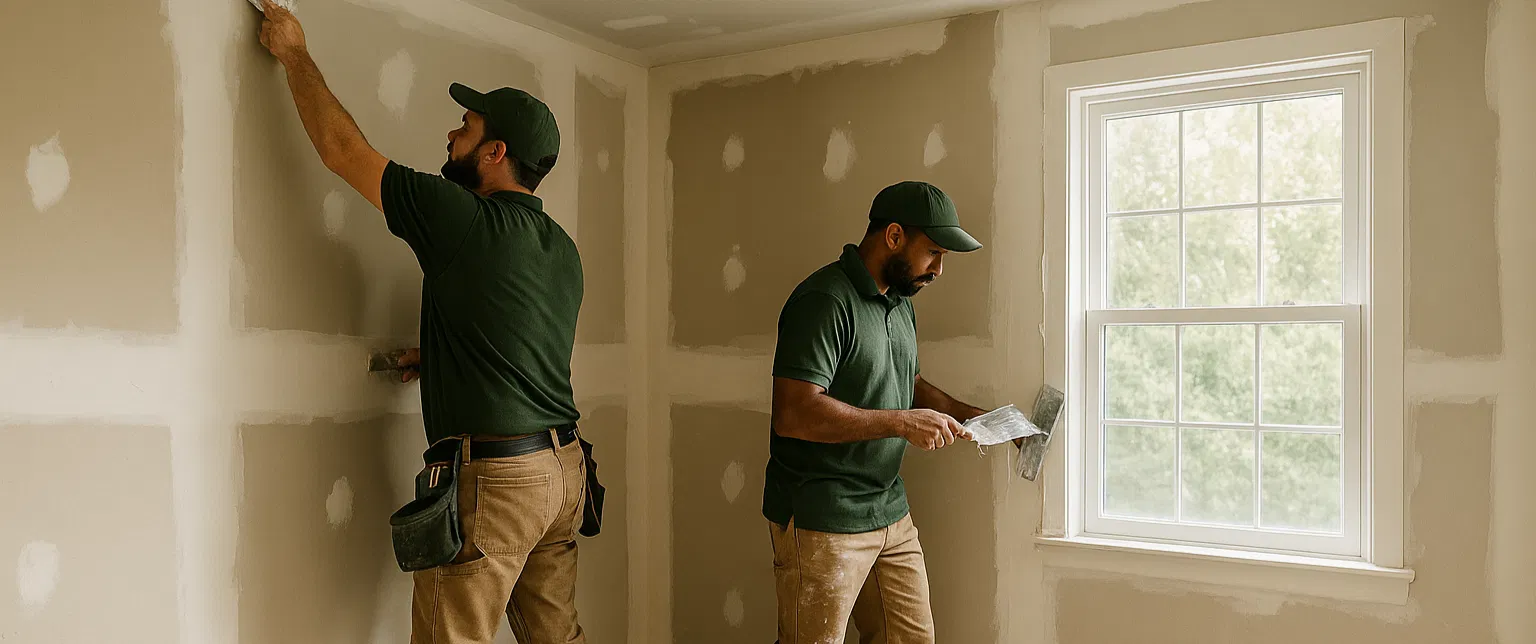
A storm shouldn't be an emergency for your foundation. It should be a non-event. When your home is prepared, the water moves away seamlessly, the pumps work efficiently, and you sleep soundly. Without a plan, you’re left scrambling with shop-vacs, soggy drywall, and the overwhelming task of water damage reconstruction.
We want to move you from the "chaos" category into the "clear" category. To do that, we have to address the most frequent errors people make when it comes to storm damage prevention and repair.
Mistake #1: The "Set It and Forget It" Mentality
The most common mistake is assuming that because your sump pump worked last year, it will work tonight. Sump pumps are mechanical devices. They live in damp, dirty environments. They are prone to silt buildup, float switch snags, and motor failure.
Ignoring your pump until the water is already rising is like ignoring your car’s brakes until you’re heading down a steep hill. It’s a gamble you don't need to take.
Mistake #2: Relying Solely on Grid Power
Storms and power outages go together like thunder and lightning. If your sump pump is plugged into a standard wall outlet with no backup, you don't have a flood protection system: you have a fair-weather tool. When the grid goes down, your pump stops. That is exactly when you need it most.
Mistake #3: Mismanaging the Discharge Line
Where is that water actually going? If your discharge pipe is dumping water right next to your foundation, you aren't removing water: you're just recycling it. The water soaks into the ground, puts pressure on your foundation walls, and finds its way back into your sump pit. It creates a "loop" that eventually burns out your pump and floods your basement.
The Psychology of Prevention: Making It Manageable
We understand that home maintenance can feel like a mountain of endless tasks. It’s easy to feel overwhelmed. But protecting your home is manageable when you have a clear, organized roadmap. We aren’t looking for perfection; we’re looking for progress.
When you follow a structured checklist, the stress begins to dissipate. You gain a sense of control. You aren't just "hoping" for the best: you are ensuring it.
The Ultimate All-Season Sump Pump Checklist
To keep things simple, we’ve broken down the maintenance you need to perform throughout the year. This ensures your system is always ready for whatever the sky throws at it.
Spring: The Heavy Rain Readiness Phase
Spring brings the thaw and the heavy rains. This is the "high stakes" season for your sump pump.
The Bucket Test: Pour a five-gallon bucket of water into the sump pit. Does the pump kick on immediately? Does the water level drop quickly?
The Float Check: Ensure the float (the ball that rises with the water) isn't pinned against the side of the basin or tangled in wires.
Clear the Pit: Reach in and remove any gravel, dirt, or debris that has accumulated at the bottom.
Check the Intake Screen: Ensure the small screen where water enters the pump is clear of silt.
Summer: The Humidity and Storm Surge Watch
Inspect for Odors: If your basement smells musty, your sump pit might be the culprit. A clean pit is a fresh-smelling pit.
Monitor the Humidity: A constantly cycling pump can increase basement humidity. Ensure your pit cover is sealed tightly.
Check the Alarm: If you have a water level alarm, test the battery. It should be loud enough to wake you up.

Fall: The Freeze-Prep Inspection
Clear the Exterior Discharge: Ensure leaves, mulch, or lawn debris aren't blocking the end of the pipe outside.
Examine the Grading: Look at the ground around your home. Is it sloping away from the foundation? Fall is the best time to fix grading issues before the ground freezes.
The Check Valve Test: When the pump stops, do you hear a loud "clunk"? That’s the check valve preventing water from falling back into the pit. If you don't hear it, or if the water rushes back, the valve may need replacing.
Winter: The Freeze Protection Protocol
Ice Management: Check the discharge point. If ice blocks the pipe, the water will back up and flood your basement.
Battery Backup Health: Cold weather can be hard on batteries. If your backup system is more than three years old, it’s time to test the charge.
Access Path: Keep the area around your sump pump clear so you can get to it quickly in an emergency.
What to Do When the Worst Happens
Even with the best preparation, nature is unpredictable. If you find yourself dealing with storm damage: whether it's a failed pump or a leak in the foundation: the key is speed.
Water damage doesn't wait. Mold can begin to grow within 24 to 48 hours. This is why we prioritize rapid response. We don't just "fix things": we restore your environment to its original, safe state. Whether you need a bathroom remodel after a leak or a whole house rebuild, the goal is the same: getting you back to normal, fast.
Why Rapid Refurb is Your Supportive Partner
We aren't just another repair company. We are a team dedicated to the idea that home repair should be a supportive, transparent experience. We use clear language, provide organized plans, and focus on the psychological outcome of our work: your peace of mind.
If you are unsure about the state of your home’s storm defenses, don't wait for the next "State of Emergency" broadcast. You can check our FAQ for more technical details or browse our portfolio to see how we’ve helped others reclaim their homes from the brink of disaster.
The Clear Path Forward
Perform the Bucket Test today. It takes five minutes and tells you 90% of what you need to know.
Verify your backup power. If you don't have a battery backup, make that your next home improvement priority.
Keep our number handy. In the event of a storm, speed is your best friend.
Your home is a significant investment, but more importantly, it's where your life happens. Don't let a common, preventable mistake turn into a long-term headache. Stay organized, stay prepared, and remember that we are here to help you restore more than just your walls: we're here to restore your confidence.

Moving forward should feel easy. With the right checklist and the right partner, it is.

Suggested Wix Category: Restoration Tips
Follow us for more home protection tips: Facebook: https://www.facebook.com/61566229097867/ Instagram: https://www.instagram.com/rapid_refurb_official/


Comments